Winter Interest of Northern Neck Native Plants
Winter interest in the landscape is provided by native plants such as Ilex opaca, American Holly. Click here for more plants native to the Northern Neck!


Winter interest in the landscape is provided by native plants such as Ilex opaca, American Holly. Click here for more plants native to the Northern Neck!

The “Not In My Back Yard” (NIMBY) Shoreline Network is an initiative of The Wetlands Project to connect individuals and businesses with information that could influence important decisions regarding shoreline management on private property. NIMBY plays on the famous “Not … Continued

Winter bird watching is simple, fun and warm when you position a bird feeder visible from your window at home! Black oil sunflower seeds attract MANY desirable birds. For information on Northern Neck bird walks visit the Northern Neck Audubon … Continued
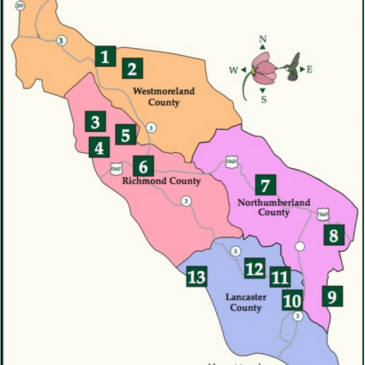
Want a close-up look at Northern Neck native plants? Visit these demonstration gardens that were designed to showcase the beauty, benefits and variety of native plants. All of these public sites feature Virginia native plants, many of which are indigenous … Continued

The Northern Neck of Virginia, located between the Potomac River to the north and the Rappahannock River to the south, is home to some truly great birding. Because of its proximity to the Chesapeake Bay, its large expanses of undeveloped land … Continued
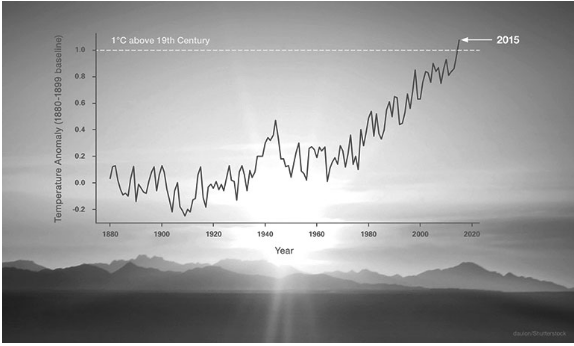
Northern Neck Vulnerabilities to Climate Change Posted September 19, 2016 By Dr. Greg Haugan We are very fortunate that we live here in the Northern Neck. Although we are less impacted by various aspects of ongoing climate change than many … Continued

Located in Westmoreland County, Longwood University’s Hull Springs Farm is a living, breathing outdoor classroom for educational events, research and other programs. Hull Springs Farm consists of 662 acres including farmland, forest, shorelines and wetlands contributing to extraordinary diverse wildlife habitat. Included in … Continued

Once regarded as wastelands, wetlands are now recognized worldwide as crucially important features of the landscape, providing some of the most productive eco-services on our planet. Wetlands exist in every country and climatic zone on every continent except Antarctica. The … Continued
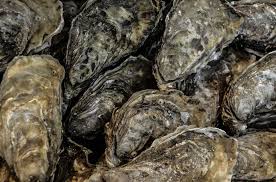
Virginia’s native oyster, Crassostrea virginica, can help to improve water quality because it feeds on algae. An adult oyster can filter up to 50 gallons of water per day when water temperatures are above 50 degrees Fahrenheit. Oysters are one … Continued

Ready to get outside in the garden and do some planting? Are you a nature-lover who would like to make your yard more attractive to wildlife? Give wildlife a helping hand with Habitat At Home©. Your yard can be a … Continued